Author: Wiese Painting

How Tucson’s Desert Climate Affects Your Building’s Paint Job

Tucson’s stunning Sonoran Desert landscape offers breathtaking views and year-round sunshine, but it also creates one of the harshest environments for exterior paint in the United States. With over 350 days of intense sun, summer temperatures exceeding 110°F, dramatic monsoon storms, and extreme temperature fluctuations, your building’s paint faces challenges that property owners in temperate climates never encounter. At Wiese Painting Contractors, we’ve spent over 70 years mastering the art of protecting Tucson buildings from desert conditions. Here’s what every property owner needs to know.

UV Radiation: The Silent Paint Destroyer

Tucson receives some of the highest levels of UV radiation in the continental United States. This relentless sun exposure breaks down paint’s chemical bonds, causing fading, chalking, and accelerated deterioration. What might last 10-12 years in Seattle could fail in just 5-7 years in Tucson without proper product selection.

Standard paints simply can’t withstand our UV intensity. Commercial painting projects require UV-resistant formulations, advanced resin technology, and fade-resistant pigments. Darker colors suffer more dramatically—that rich burgundy or deep navy may look stunning initially but can fade to pale shadows within three years if you don’t choose premium, UV-stable products.

Our partnerships with Sherwin-Williams, PPG Paints, and Dunn-Edwards give us access to specialized desert-climate formulations that maintain color integrity and protective properties far longer than standard products.

Extreme Heat and Thermal Cycling

Summer surface temperatures on south and west-facing walls regularly exceed 160°F in Tucson. This extreme heat causes paint to expand during the day, then contract dramatically overnight when temperatures drop 30-40 degrees. This constant expansion-contraction cycle creates stress that leads to cracking, peeling, and adhesion failure.

Industrial painting projects particularly demand heat-resistant coatings that maintain flexibility across temperature extremes. Metal surfaces expand and contract even more dramatically than masonry or wood, requiring specialized primers and topcoats that accommodate thermal movement without losing adhesion.

Monsoon Moisture and Flash Flooding

While Tucson averages only 12 inches of annual rainfall, those inches arrive violently during summer monsoons: intense downpours, driving winds, and occasional hail test paint’s moisture resistance. Water infiltration through compromised paint can cause substrate damage, mold growth, and costly repairs.

Quality preparation becomes critical in our climate. Our commercial coating services include thorough surface preparation, proper priming, and moisture-resistant barrier systems that protect your building during monsoon season and prevent long-term water damage.

Low Humidity and Dust

Tucson’s typical 20-30% humidity accelerates paint drying and curing—sounds positive until you consider the implications. Paint that dries too quickly may not achieve proper adhesion or develop its full protective properties. Our experienced crews adjust application techniques and timing to account for desert humidity.

Desert dust presents another challenge. Wind-blown particles embed in fresh paint or accumulate on finished surfaces, creating maintenance challenges. Strategic timing and proper surface cleaning protocols minimize dust-related issues.

The Graffiti Problem

Urban Tucson properties face persistent graffiti vandalism, and traditional solutions—repainting affected areas—create unsightly patch jobs that never quite match. Our anti-graffiti coatings provide sacrificial barriers that allow power-washing removal without damaging underlying paint. This proactive approach saves thousands in long-term maintenance costs for commercial properties.

Choosing Paint That Survives Tucson

Not all “exterior paint” performs equally in desert conditions. Premium elastomeric coatings bridge hairline cracks while expanding and contracting with temperature swings. High-solid acrylic formulations resist UV degradation better than economy alternatives. Specialized primers create proper substrate adhesion despite extreme conditions.

For residential painting projects, we recommend 100% acrylic latex paints with high-quality UV absorbers. Commercial and industrial properties often benefit from specialized coatings like elastomerics, epoxies, or polyurethanes, depending on substrate and exposure.

Maintenance Schedules for Desert Buildings

Tucson’s climate demands more frequent inspection and maintenance than moderate climates. We recommend:

  • Annual inspections of all exterior painted surfaces
  • Touch-up painting every 2-3 years for high-exposure areas
  • Complete repainting every 7-10 years for commercial properties
  • Immediate attention to any cracking, peeling, or chalking

Proactive maintenance prevents minor issues from becoming expensive failures. Regular commercial repaints maintain your property’s appearance while protecting the underlying structure.

Trust Local Desert Expertise

Understanding desert painting isn’t something contractors learn from textbooks—it requires decades of local experience. As a three-generation Tucson family business, we’ve painted through countless summers and monsoon seasons. We know which products fail and which endure. We understand how surface preparation techniques must adapt to desert conditions. We’ve seen what works.

Ready to protect your property with desert-proven painting solutions? Call Wiese Painting Contractors at 520-327-3200 or contact us online. Let our 70+ years of Tucson expertise work for your commercial, industrial, or residential painting project.

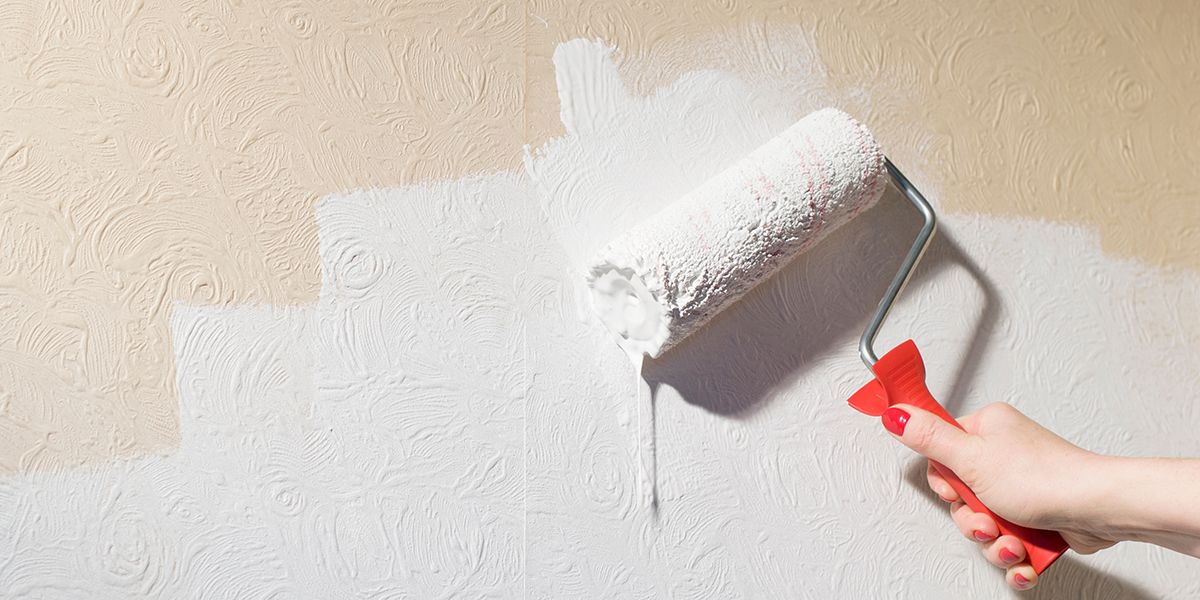
How do you paint a popcorn ceiling the right way? The painting experts with Wiese Painting in Tucson, Arizona can refresh your ceiling with a new coat of paint.

How Do You Paint a Popcorn Ceiling the Right Way?

If you’re a millennial, chances are you are familiar with once-trendy popcorn ceilings. Once a popular feature in many homes, they began to fall out of fashion around the turn of the century. Many homeowners remove the popcorn texture entirely, while others choose the wallet-friendly approach of applying a fresh coat of paint. 

When it’s time to revitalize your ceiling, call Tuscon’s top-rated house painters at Wiese Painting at 520-327-3200.

If you are more of a DIY kind of homeowner, you may want to repaint the ceiling yourself. But how do you paint a popcorn ceiling if you have no prior experience? Let us help you prepare.

Test For Asbestos

Prior to 1978, many home constructions used asbestos, including popcorn ceilings. Stay safe by testing your popcorn ceiling for asbestos and lead. If either is found, it is not wise to proceed with painting the ceiling yourself. 

Gather All Equipment

Once you know your ceiling is asbestos-free, make sure you have all the tools you need for the project. These include: 

  • Safety glasses to keep paint splatter out of your eyes
  • Tarps or drop cloths
  • Painter’s tape
  • Broom or duster
  • Ladder 
  • Small Angled brush for the edges
  • Paint roller (an extension handle makes it easier to reach)
  • Ceiling paint 

Prepare and Protect

How do you paint a popcorn ceiling without making a mess?

Use drop cloths or tarps to cover anything that you don’t want the paint to splatter on. You can use old sheets and towels to protect your furniture and anything else that you can’t remove from the room.

Additionally, use painter’s tape along the top edge of each wall to prevent rogue paint swipes while you work. 

Chase Away Dust Bunnies

Popcorn ceilings are dust magnets. Before you paint, use a broom or duster to rid the ceiling and surrounding walls of dust, dirt, and cobwebs. If you skip this step and paint over the dust, it could mix with the paint and alter the color. 

Neaten Ceiling Edges 

To ensure a neat, crisp ceiling edge, use a small, angled brush to paint along all textured ceiling edges. Once you paint all the edges, you won’t have to worry about getting paint on the smooth surface of the wall while using a paint roller. 

Move On to the Middle

With your ceiling cleaned, the edges prepped, and the furniture in the room protected, there’s nothing left to do but paint! This is the fun part. Use your paint roller and ladder, if necessary, to apply a fresh coat of paint to the entire ceiling.

When learning how to paint a popcorn ceiling, you can choose from several types of paint. Decide what you want the finished product to look like and how much paint you need before going to the store.

How do you paint a popcorn ceiling if you don’t have the time? Let professionals do it for you!

If painting your ceiling is more than you want to take on, don’t hesitate to call our experts at Wiese Painting in Tucson, Arizona, at 520-327-3200 to get an estimate.

will acrylic paint stick to metal

Will Acrylic Paint Stick to Metal Surfaces?

Choosing the right type of paint is the first step in any painting project, and one of the most common questions we get as Tucson’s trusted house painters is, “Will acrylic paint stick to metal surfaces?” The short answer is yes, but a successful paint job requires thorough surface preparation. 

As the top local painters with a long history of high-quality residential and commercial painting work, our experts at Wiese Painting Contractors, Inc. are your local experts for all things paint. Call us at (520) 327-3200 for more information about commercial painting, and keep reading to learn more about how to successfully paint metal with acrylic paint. 

The Basics of Acrylic Paint

Acrylic paint is a comparatively new, water-based paint made from color pigments suspended in acrylic polymer mixed with binders and stabilizing agents. This composition not only makes the paint easier to work with than oil-based paint, but it also makes it an ideal choice for painting metal. Whether you want to paint metal doors, fences, railings, furniture, or decorative items, acrylic paint will adhere and give the finished piece a long-lasting coat of color. 

Preparing Metal Surfaces for Acrylic Paint 

The most important factor when considering the question, “will acrylic paint stick to metal?” is surface preparation. After stripping any existing paint or rust from the surface, use a wire brush or fine sandpaper to “rough up” the surface, so the acrylic paint sticks better. Wash the surface with soapy water and a soft cloth, allow it to dry, then sand it lightly once again before moving on to primer. 

Priming Metal for Painting 

Most metal surfaces benefit from a coat of primer before a paint application, but metals that don’t oxidize (like stainless steel) don’t require primer. Otherwise, choose a primer made for acrylic paint on metal surfaces, and apply two coats. Allow the first coat to dry completely before applying the second. 

Painting Metal with Acrylic Paint

Once the primer dries, apply at least two coats of paint, allowing them to dry between coats. An acrylic spray paint designed for metal typically provides the most even coverage and dries quickly. You can also apply acrylic paint with a brush or roller, but doing so will require additional coats of paint for full coverage. 

Apply Sealant 

A coat of varnish or sealant preserves the finish of painted metal objects against damage from moisture, UV rays, extreme temperatures, and abrasion. You don’t need to apply sealant if you use acrylic paint designed for outdoor use.

Get Answers to All Your Painting Questions 

Now that you have the answer to “will acrylic paint stick to metal?” you may have additional questions about painting, like the advantages of oil-based vs. water-based paint. Our residential and commercial painting experts at Wiese Painting Contractors, Inc. are here to provide knowledgeable insights along with reliable, professional painting services for homes and businesses in Tucson, AZ, and the surrounding area. Call us at (520) 327-3200 to reach one of our painting experts and get all the information you need. 

unusual color combinations

Unusual Color Combinations for Living Rooms That Surprisingly Work

When choosing colors for your living room, you might shy away from contrasting pigments on the color wheel. But some unusual color combinations hit just the right note of quirky and chic. Tucson’s trusted house painters offer a few ideas you might want to try. 

As a general rule, warm colors often clash with bright tones. Sometimes, a bright color breaks the rule by working artfully with a deeper shade. Discover a few examples below. 

Light Gray and Black

Charcoal gray softens the edges of any room, providing a clean, cool aura. As gray becomes lighter, it offers a more delicate ambiance. Enter the unforgiving, unapologetic shade of black. 

While black tantalizes homeowners with a minimalist but gothic aesthetic, it overpowers most colors. However, you can combine black with light gray, its gentler cousin. Gray softens the room; black sets boundaries. Few color combinations have such surprising harmony. 

Navy Blue and Light Gray

Much like black, navy blue provides the perfect partner to subdued shades of gray. While navy blue has more give than solid black, it boasts a regal and uncompromising presence on living room walls. Gray brings it down a couple of notches while keeping the aura cool and refreshing. 

You could create similar unusual color combinations by combining royal blue with gray or charcoal gray with softer shades of blue. These pairings bring out the diverse, eclectic nature of your family and home through rich, vivid colors.   

Pea Green and Dusty Rose

If you want a more neutral color combination, go for pea green and dusty rose. Many people avoid pea green due to its perceived obstinance. It hasn’t worked well with much of anything since 70s fashions paired it with rusted orange. 

Still, it makes a classy, high-spirited comeback as an earthy tone when paired with bubbly dusty rose. Dusty rose has a neutral but open character. Thus, it works fluidly with insistent colors like pea green. 

Crimson and Lavender

As we learn more about how a bright color can soften uncompromising ones, let’s delve into regal colors that dress up casual, more cheerful hues. One of many such unusual color combinations is crimson and lavender. Lavender has a noncommittal, fun-loving feel that resembles a spring breeze. 

Crimson imbues the room with fiery passion and depth. When you combine the two, you have an unexpectedly elegant palette. However, you should use crimson in a more understated way to avoid overpowering soft lilac tones. 

Orange and Turquoise 

You could liken a combination of orange and turquoise to a marriage between earth and sky. Though artists frequently employ this unusual color combination, homeowners rarely use it in their living spaces. Together, these colors lend a carefree Southwestern aesthetic to any living room. 

Find Unusual Color Combinations for Your Home With Wiese Painting Contractors

At Wiese Painting Contractors, our skilled professionals can help you every step of the way as you paint your home’s interior. From learning how to pick paint colors to the finished product, we’ll ensure you achieve the desired ambiance. Call us at 520-327-3200 today.

can you paint a house in the winter

Can You Paint a House in the Winter?

You might not think of winter as the perfect time to paint your home’s exterior. Freezing temperatures and precipitation can make it challenging to complete your outdoor restoration projects.

Painting your Tucson home during the winter months has both benefits and drawbacks. As such, you are probably wondering, “Can you paint a house in the winter and achieve a satisfactory result?”

Keep reading to learn more.

Why You Should Leave it to the Professional

It is a widespread assumption that painting during cold weather produces undesirable results, but this is not necessarily true. A professional painting contractor knows what weather conditions and temperatures are suitable for exterior painting, and you will find the team at Wiese Painting working on job sites year-round.

Wiese Painting Contractors are expert house painters in Tucson for your residential and industrial painting needs. With 70 years of industry experience, we have the resources and expertise to deliver exceptional results on every project and every season.

Painting Your Home in the Winter – Facts to Consider

So can you paint a house in the winter? The short answer is yes; you can paint your house during the winter months. However, only a professional painting contractor has the experience and knowledge to determine if the conditions are ideal for outdoor painting.

The rule of thumb is that the air and surface temperature must be above 35 degrees Fahrenheit to ensure a high-quality result. To ensure that the paint sets properly, the outdoor temperature should remain above 35 degrees during the night for 48 hours after the completion of the job.

By hiring a professional to do the job for you, you can be more confident that your painting job will yield successful, long-lasting results.

How the Weather Affects Your Paint Job

Here are some facts to consider when preparing for an outdoor painting project:

Winter Weather Brings Faster Drying Times

Cold weather air is less humid and allows for faster drying times than hot, humid conditions. A quicker drying time means finishing the job faster in cold temperatures, which can save money when working with contractors.

Humid Takes Longer for Paint to Dry

Since the paint stays wet for longer, there is the risk of accumulating dust or debris while the paint sets. Humid air can cause exterior paint to blister and flake.

Beware of Winter Storms

While dry, cool air helps exterior paint to dry quickly, the opposite is true for rain and snow. If you have had a recent rain or snowstorm, be sure your painting surface is totally dry before applying paint. Residual moisture or dew can cause paint to dry unevenly and become sticky.

Wiese Painting Provides Year-Round Residential and Commercial Painting Services in Tucson

Now that you know the answer to the question, “Can you paint a house in the winter?” contact the team at Wiese Painting to discuss your next project. Call today at 520-327-3200.

Keep reading to learn about the best time to paint the house exterior.

painting house in fall

Painting a House in Fall: What You Need to Know

It’s fall in Arizona, and homeowners can’t wait to say goodbye to oppressively hot summer temperatures. Since avoiding the outdoors is best during Arizona summers, consider doing housework in the fall. Fall housework also improves your home before friends and family visit for the holidays. 

Many Arizona homeowners wonder whether painting their house in the fall is a good idea. While northern states have more challenges with a house painting project in the fall, it could be the ideal time to paint your Tucson home. Nevertheless, understanding the challenges of outdoor painting in this season will make the project more successful.

Call house painters from Wiese Painting for premier home painting. As Tucson’s #1 painting company, we ensure your home looks its best for the holiday season.

Conditions To Consider During Fall Painting

While you might want to avoid painting during Arizona summers, you’ll want to take note of some challenges of fall house painting. These considerations for fall paint application will help you optimize your painting project.

The Paint 

Various types of paint have different temperature conditions required for effective application. Latex paints usually cannot withstand temperatures of 50° or 60ºF after application. However, newer paints can withstand temperatures as low as 35ºF.

Beyond applying the paint at the right temperature, remember that these temperatures must remain optimal during the paint’s dry time. Avoid painting your home if the temperature could drop below 35ºF in the 36 hours following the job. 

Timing

Timing your paint job during the fall is crucial as it could significantly impact how long the new coat lasts.

During summer, we advise painting home exteriors following shade patterns and avoiding the sun. However, this advice works in reverse in the fall. 

Painting in the fall sun will help your new coats of paint dry and stick to your home more quickly. Choose times of day when the sun hits your house directly for the best results.

Make sure to try and paint during earlier fall months. Procrastinating a paint job until late November or early December could make it more difficult to avoid the freezing temperatures that make these projects more difficult.

The Scope of the Job and Who’s Painting

Remember that you may have to schedule corollary jobs to paint your home most effectively. If your home’s exterior painting involves power washing, caulk, putty, or primer, this may impact painting your house in the fall.

Interiors vs. Exteriors

While you have many considerations for painting home exteriors during the fall, this season arguably makes the best time for repainting home interiors. Arizona summers can make home interiors hotter and more humid, limiting the paint’s chance of sticking. However, the fall’s decreased humidity and cooler temperatures prime your interior for the perfect repainting job.

Call Wiese Painting, the #1 Painting Company in Tucson, for Fall Paint Jobs

For more information about painting a house in the fall or specifics like the challenges of painting over wallpaper, call (520) 327-3200 and schedule a service consultation with Wiese Painting, Tucson’s top painting company.

oil base vs water based paint

Oil-Based vs Water-Based Paint: Pros and Cons

New paint jobs are an easy way to transform one room or your whole house. But when you’re planning your project, how do you choose between oil-based vs water-based paint? Each type of paint consists of different ingredients and has advantages and disadvantages.

Hiring the right professional painter is as important as using the right paint. Wiese Painting Contractors is a family business of house painters in Tucson, AZ. Our in-depth knowledge and professional attitude set the tone for every project. Call 520-327-3200 for a quote, and keep reading to learn everything you need to know about oil-based paint and water-based paint.

Pros of Oil-Based Paint

Oil-based paints contain oils that produce a high-coverage and durable product. Oil-based primers lay the foundation in heavy-use areas like floors and baseboards. They can create a variety of smooth, high-gloss finishes that leave few brush strokes.

Due to high coverage, one coat is enough to cover a surface with your desired color. This durable paint is less vulnerable to environmental factors such as heat and moisture. Oil paint is a reliable option for a variety of projects.

Cons of Oil-Based Paint

Oil-based paint releases hazardous VOCs (volatile organic compounds) into the air during the painting process. Additionally, removing it requires a specific paint remover that contains mineral spirits. These paint strippers have an intense smell that can be hazardous, so you should always air out the space during and after you apply oil-based paint or paint stripper.

Poor UV resistance causes oil-based paint to turn yellow and crack over time. When this happens, it needs stripping and repainting to look new again. When it comes to upkeep and comparing oil-based vs water-based paint, water-based may be the better option. 

Pros of Water-Based Paint

Water-based paints, also known as latex paints, are less expensive than oil-based paints. Their light coverage allows them to dry fast and apply many coats. The high UV resistance of water-based paint means they won’t crack or fade in the sun.

Additionally, water-based paints contain reduced, if not zero, amounts of VOCs. Short drying times and no chemical odors make them ideal for indoor applications. 

Cons of Water-Based Paint

Water-based paint struggles to dry in a moist environment. It is prone to chipping and not as durable as oil-based paint. Low durability makes it a poor choice for high-traffic areas.

To use water-based paint, you may need to apply a primer and many coats to paint certain surfaces. Water-based paint is thin and takes several coats to cover surfaces such as wood or concrete. It also has difficulty sticking to smooth surfaces like fine-sanded wood or metal.

The Next Step

A professional will help you decide whether to use oil-based vs water-based paint. We know how to analyze your project to find the best route. When you call the professionals at Wiese Painting Contractors today, you choose the best painters in Tucson. It can be difficult to find the best route for a project and gather the resources it needs. Read our guide on painting stucco or visit our website to find more resources for your next project.

painting stucco

What You Need to Know When Painting Stucco

Stucco has become increasingly popular for its many benefits in home protection. However, because of its qualities, stucco requires specific care and consideration when trying to customize it post-installation.

As the top house painting contractors in Tucson, AZ, we at Wiese Painting know the best stucco practices. Painting stucco can be an option if you want to refresh your siding. However, note the potential detriments of this practice and learn how to choose your stucco paint.

#1. Stucco’s Porous Nature Makes It Difficult to Paint

One of the advantages of a stucco exterior includes its pores. The aerated stucco texture, composed of concrete, lime, sand, and other materials, has air pockets or voids. However, painting the air pockets can cause prominent issues.

These voids allow air to filter through the walls and prevent moisture buildup. They also help deflect the heat and cold, helping households in warm and dry climates thrive the best.

If you use the wrong paint while painting stucco, the walls cannot adequately allow air and moisture permeation. Moisture then builds up, which can cause unsightly paint peeling, internal wood rot, and even mold. At the latter point, walls would require removal and rebuilding, which can be an exceedingly expensive process.

#2. You Can Choose Other Ways to Customize Your Stucco

Generally, stucco walls and their textures function best when left alone. It requires no painting, unlike wood, vinyl, and other sidings. The many advantages of stucco often mean reduced customization options may be worth it.

Stucco most often comes in neutral or earthy tones. However, its porous nature and composition allow different additives to color the material. Contractors can also coat the stucco walls with a Portland cement and water mixture tinted in various new colors.

The advantages of stucco remain without the risks painting presents to the material.

#3. If You Must Have Paint, You Need a Specific Type

While painting stucco can present several difficulties, it is not impossible. For those insistent on a fresh coat of paint, we strongly advise choosing acrylic latex or elastomeric paints and products.

These paints resist blistering and peeling while having the most protective formulas against moisture buildup. They coat the porous material evenly, providing much cleaner and fuller coverage than other paint. However, once you apply the paint, it seeps into the pores and won’t cover easily under new paint layers.

Before deciding on the color of the paint, always test the properties and appearance. If you want to test it directly on the wall, choose a stucco patch not easily seen by other people. You can also proceed by painting samples on cardboard, painting on the garage door, or using peel-and-stick samples. 

We Can Help You Take Care of Your Stucco Siding

Wiese Painting contractors have over 30 years of experience painting stucco and other siding materials in Tucson, AZ. We take pride in helping homeowner’s improve their home’s exteriors. While we do the job, you can learn other home paint maintenance tips, such as when to paint over wallpaper

Call us today at 520-327-3200 to schedule your professional painting appointment.

painting over wallpaper

Is Painting Over Wallpaper a Good Idea?

Whether you’ve moved into a new home or want to update an old room, many homeowners eventually decide to replace their wallpaper with paint. Some homeowners decide that painting over wallpaper provides the fastest, easiest results but suffer disappointment when problems arise. For the best-looking home upgrades, remove wallpaper before painting your rooms.

Painting over wallpaper may seem like a DIY project. However, wallpaper can rip, hide damaged drywall beneath, or have multiple layers of wallpaper beneath the top.

When you run into wallpaper issues before painting, turn to reliable house painters in Tucson, AZ, like Wiese Painting Contractors Inc. Our professionals offer experienced assistance with wallpaper removal and painting services.

Why Should You Remove Wallpaper Before Painting?

Leftover Textures or Colors

Wallpaper frequently features patterns and textures impossible to duplicate with painting or other wall coverings. These textures or colors may still show through even with several coats of paint. 

Wallpaper Adhesive

Wallpaper requires a coat of adhesive to keep the paper on the wall. When painting over wallpaper, you weaken the adhesive. As a result, the paper may wrinkle, bubble, or completely detach from the wall.

Wasted Time and Money

Because wallpaper may fail after exposure to wet paint, all your hard work quickly disappears with it. Painting takes considerable supplies and time. So, wasting them because you didn’t want to deal with wallpaper removal hurts your wallet.

What If You Don’t Want to Remove the Wallpaper?

Wallpaper removal takes a lot of time and effort, and hiring a professional team may cost more than you want. If you want to save time and funds, follow the steps below to paint over wallpaper.

1. Assess the Wallpaper’s Condition

Before starting your paint project, ensure your wallpaper securely attaches to the wall. Remove or replace any damaged areas and add adhesive to loosened wallpaper. Then, use clear caulk around the edges of the room to seal the edges of the wallpaper down.

2. Prep Your Walls 

Use a thin coat of joint compound, or spackle, to smooth out the surface of your wallpaper. Then, gently sand down wallpaper seams and ensure a flat transition between panels.

Using oil-based primer, cover every inch of the walls to provide a safe, moisture-free barrier between your paint and the wallpaper. Don’t use water-based primer, as this fluid may soak through your wallpaper and prime it for bubbling, wrinkling, or falling.

3. Paint Your Walls

After the primer dries, use oil-based paint to reinforce moisture resistance and promote a better chance of preserving the wallpaper below. For the best results, add at least one more coat of paint before calling the project done.

Do You Need Wallpaper Removal in Your Tucson, AZ, Home?

Hiring a team of professional painters is the easiest way to avoid troubles with painting over wallpaper. Call (520) 327-3200 to schedule your consultation with Wiese Painting Contractors Inc. in Tucson, AZ.

Are you planning a home-based paint job, wallpaper or not? Know why you need to keep your pet away during paint jobs.

are paint fumes bad for dogs

Are Paint Fumes Bad for Dogs: Should You Paint with Pets Around?

Planning a home improvement project as a pet owner can be challenging as it’s essential to ensure your animals are safe throughout the process. However, it can sometimes be unclear to homeowners whether a specific project is unsafe for their pets.

In this article, we’ll answer the question, “Are paint fumes bad for dogs?” and explain how you can ensure your animals are safe during your next painting project. Choosing an experienced contracting company that knows how to interact with and work around pets is essential to a safe and successful painting project.

If you live in Arizona, you can always count on Tucson residential painting by Wiese Painting Contractors. Our team of expert contractors loves pets and always takes the time to ensure every person and animal in the home is safe before beginning the project.

Can Paint Fumes Harm Dogs?

The simple answer to the question, “Are paint fumes bad for dogs?” is yes. Dogs and other pets have a much more acute sense of smell than humans, which can make the smell of conventional paint overwhelming for them. In addition, different types of paints can impact animals in different ways, so read the following sections to learn about the issues paint fumes can cause.

Dizziness

One of the most common symptoms animals develop after breathing paint fumes is dizziness and confusion. This symptom is usually temporary, but moving the animal somewhere with plenty of fresh air is essential to their recovery.

Nausea

Some paints contain latex, which can enter animals’ digestive systems and cause nausea and bloating. This condition can lead to vomiting in smaller dogs and be particularly dangerous to even smaller pets like rabbits or hamsters.

Respiratory Issues

The most severe danger of paint fumes for dogs is the potential for causing respiratory issues. When a dog breathes in excessive paint fumes, they can develop breathing issues or pneumonia, posing a severe health risk. If you think your dog may have breathed paint fumes and is displaying breathing problems, taking them to the vet is the safest option.

How to Protect Your Pet When Painting

If you want to paint your home while ensuring your dog’s safety, there are some strategies you can use. First, water-based paints are an excellent option for pet owners, as these paints do not pose the same dangers as others. If you still want to use conventional paint, taking the dogs elsewhere for a few days and thoroughly ventilating the area is also sufficient.

Get Expert Painting Services in Tucson

Now that you know the answer to the question, “Are paint fumes bad for dogs?” it’s time to start planning your painting project. Feel free to explore our website to learn more about if painting a house exterior can add value to a home and find answers to other commonly asked questions. Then, call Wiese Painting Contractors at 520-327-3200 to discuss your project with a friendly representative and schedule service.

  • 1
  • 2